


Amex 1/7
You may be ineligible for the signup bonus on an American Express card if you currently have, or previously had, that same card or an earlier version of it.
Deep Dive into the Amex 1/7 Rule
American Express uses lifetime-style language on many of its cards, generally stating that you "may not be eligible" for a welcome offer if you currently have or previously had that card. Some cards also extend this restriction to earlier versions of the same card.
What does this mean?
- American Express generally treats each specific card as a separate signup bonus opportunity.
- If you currently have or previously had that card, Amex's terms may make you ineligible for its welcome offer.
- On some cards, previous versions also count. That means having an older version of a card can affect your eligibility for the current version.
- Unlike Citi's and Chase's newer lifetime language, Amex's restrictions have historically not always lasted forever in practice.
We refer to this as the Amex 1/7 Rule because many data points over the years suggest that cardholders often become eligible again roughly seven years after last having the card. That is not an official American Express policy or published waiting period, however, and eligibility can vary.
This distinction matters because Amex's rule is based on whether you have or have had the card, not simply whether you earned its signup bonus. Because of that, product changing into a card can potentially affect your future bonus eligibility even if you never received a welcome offer on that card.
Amex Popup
American Express checks bonus eligibility during the application process and may display a popup if you are not eligible for the welcome offer.
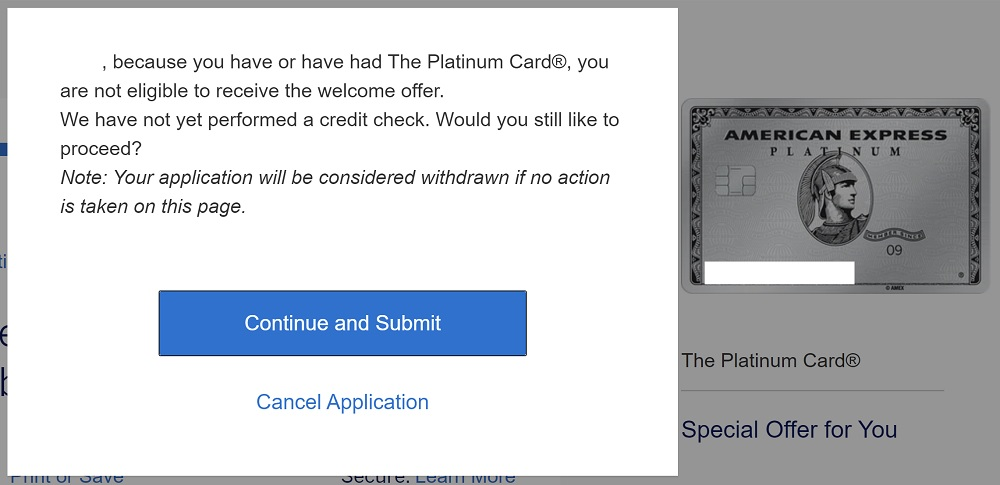
If you receive this popup, you can cancel the application before American Express performs a hard credit check. This provides a useful safeguard if you are unsure whether enough time has passed since you previously held the card.
This popup is different from American Express popup jail. Popup jail can prevent you from earning signup bonuses across multiple Amex cards for an unspecified period of time, while the popup discussed here is tied to your eligibility for a specific card under its bonus terms.
How does this compare to Chase and Citi?
American Express uses softer language than Citi and has historically been less restrictive in practice than Chase. Amex generally says you "may not be eligible" if you have or have had the card, while Citi's newer Strata language says the bonus "is not available" if you currently have or previously had the card.
Chase also uses "may not be available" language on its Sapphire cards, but its lifetime-style restrictions have been enforced more strictly so far. Second bonuses on the same Sapphire card appear to be rare, while many Amex cardholders have become eligible again after roughly seven years.
Personal and Business Cards in the Same Family
American Express generally treats personal and business versions of similarly branded cards as separate products for signup bonus eligibility.
For example, having the personal American Express Gold Card does not by itself prevent you from earning the signup bonus on the American Express Business Gold Card.
The same general separation applies to other personal and business card pairs, including:
- American Express Blue Cash Everyday and Blue Business Cash
- American Express Green and Green Business
- American Express Gold and Business Gold
- American Express Platinum and Business Platinum
Related Rules
How Does This Affect Your Credit Card Strategy?
Awareness of this rule is important for getting the most possible points out of American Express cards. If you may only have one opportunity to earn the signup bonus on a card for many years, you want to make that opportunity count.
That used to mean simply waiting for an elevated signup bonus. But American Express has changed how it markets welcome offers on many of its cards. Instead of always displaying one standard public offer, Amex now frequently advertises offers "as high as" a certain number of points and determines your actual welcome offer during the application process.
Amex "As High As" Offers
American Express has increasingly used personalized "as high as" welcome offers across many of its cards. You might see the Platinum Card advertised with an offer as high as 175,000 points, for example, but that does not mean you will actually receive a 175,000-point offer. You need to start the application process to find out which offer Amex gives you.
The offer you see can also vary. You may see a fixed offer when visiting the American Express website in one browser or session and an "as high as" offer when visiting through another. Different referral links, targeted offers, logged-in accounts, browsers, and private browsing sessions can also produce different offers.
That makes shopping around especially important with American Express. Before applying, check the public card page and any targeted or referral offers available to you. It can also be worth checking from another browser or private browsing session to see whether Amex displays a different offer.
None of these methods guarantees that you will receive a higher offer. American Express does not publish exactly how it determines which offer an applicant sees, and offers can change frequently.
Fixed and Elevated Offers Still Exist
Not every American Express card uses the "as high as" model. Amex still offers traditional fixed welcome offers on some cards and regularly runs limited-time elevated offers, particularly on its co-branded airline and hotel cards.
That means there are now two different types of opportunities to watch for. You may find a particularly strong personalized offer on a card using the "as high as" model, or Amex may launch a fixed limited-time offer that is significantly better than what is normally available.
Why Your Welcome Offer Matters
The Amex 1/7 Rule makes the size of the offer you accept especially important. If you accept a relatively small welcome offer and become ineligible for another bonus on that card for roughly seven years, you cannot simply apply again when a better offer appears a few months later.
That does not mean you should always wait indefinitely for the absolute highest offer ever reported. There is no guarantee that you will be targeted for it, and getting the card sooner may make sense based on its benefits or your travel plans. But when you have the flexibility to wait, we recommend comparing the offer you receive with the stronger offers that have historically been available before using your bonus eligibility.
Flexibility matters here, too. A strong personalized or limited-time offer may appear when that card was not next in your original application plan. If the offer is substantially better than what is normally available and the card otherwise fits your strategy, it can make sense to adjust your plans rather than let that opportunity pass.
No Lifetime Language Offers
American Express also occasionally offers cards without its normal lifetime restriction. These are commonly referred to as No Lifetime Language, or NLL, offers. Some are directly targeted to specific cardholders, while others become accessible through special Amex application links that circulate publicly. Because some NLL offers may be intended for a limited audience, check the terms carefully and understand that widely shared links can disappear quickly or carry more uncertainty than an offer sent directly to you by American Express.
These offers can be particularly valuable because they provide a way to earn another bonus without waiting for your normal eligibility to return. If you receive an NLL offer for a card you have previously held, check the specific terms carefully before applying rather than assuming the standard 1/7 restriction applies.
Importance of this Rule
* * * *
This is an important rule to understand, but it should not drive your entire credit card strategy. The key is knowing that your opportunity to earn a welcome offer on an American Express card may be limited for many years, which makes the size and timing of that offer more important.
You should still have a general plan for which cards you want, but flexibility matters. A strong personalized, targeted, or limited-time offer may appear when that card was not next in your original strategy. On the other hand, sometimes it can still make sense to get a card even when the offer is not at its historical high because the benefits or timing fit your needs.
The goal is not to wait forever for the perfect offer. It is to make an informed decision before using what may be your only welcome bonus opportunity on that card for a long time.
Rule Applies to All Cards from This Bank

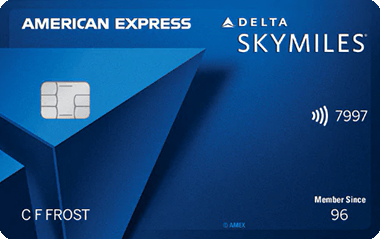
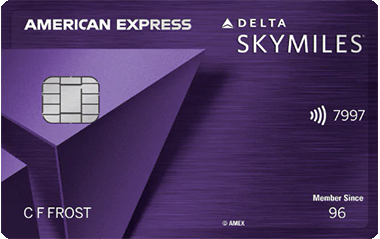
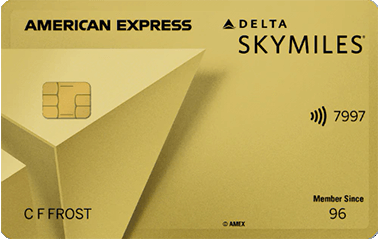
Cards Subject to This Rule









FAQs
Are there exceptions to this rule?
Yes. Although American Express uses lifetime-style language, "lifetime" has historically not meant forever in practice. Many data points show cardholders becoming eligible for another signup bonus on the same card after roughly seven years, although seven years is not an official American Express waiting period and eligibility can vary.
American Express also sometimes issues offers without its normal lifetime restriction. These are commonly called No Lifetime Language, or NLL, offers. If you receive an NLL offer directly from American Express, you may be eligible for another signup bonus even if you currently have or previously had that card. These offers are particularly common on business cards, and some cardholders have received multiple bonuses on the same product over time.
NLL application links also sometimes circulate through points and miles communities. These may originate from legitimate American Express offers but were not necessarily intended for everyone who gains access to the link. We recommend more caution with widely shared links than with an offer American Express sends directly to you.
How do I check my status?
If you add all of your credit cards to Points Navigator, we track this rule and the other American Express eligibility rules that apply to you.
American Express also checks bonus eligibility during the application process. If you are not eligible for the welcome offer, Amex will often display a popup before performing a hard credit check and allow you to cancel the application. The popup can appear because of this rule or other Amex bonus eligibility restrictions, so receiving one does not necessarily mean the 1/7 Rule is the reason.
Do business cards count for this rule?
Yes. American Express uses lifetime-style bonus restrictions on both personal and business cards. However, personal and business versions of similarly branded cards are generally treated as separate products.
For example, having the American Express Gold Card does not by itself make you ineligible for the signup bonus on the American Express Business Gold Card. Each has its own bonus eligibility rules.
Do product changes on existing cards count for this rule?
Yes. American Express generally bases this restriction on whether you have or have had the card, not whether you earned its signup bonus. If you product change into a card you have never held before, you may give up your opportunity to earn that card's signup bonus in the future. Because of this, we generally recommend checking your bonus eligibility before product changing into another American Express card. In some card families, Amex's Family Rule can also affect whether you are eligible for a bonus, so both rules may need to be considered.
About Approval Rules
Collecting credit card points is largely driven by understanding and abiding by bank rules regarding approval (or disapproval) of cards. So here's what you need to know:
- Approval rules are rarely fully publicized by the banks
- We use our own research and data points from other users in creating the rules listing
- Our goal in sharing/using the rule listings is to provide you guidance to avoid getting declined
- There can sometimes be exceptions to the rules, but we try to take a more cautious approach in advising you.