



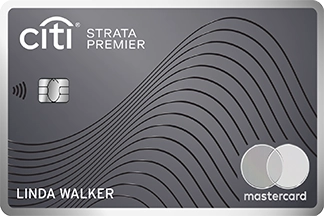
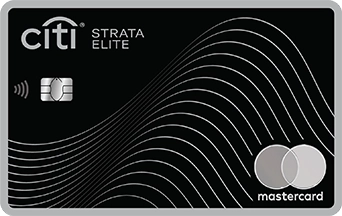
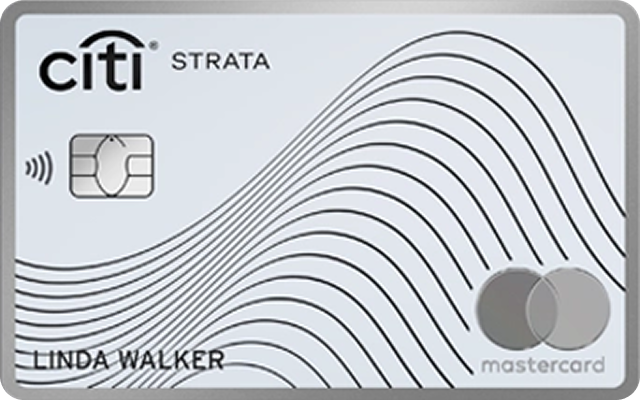
Citi has reportedly introduced a welcome bonus eligibility pop-up for applicants of its Strata credit cards, similar to warnings already used by Amex and Chase. The pop-up warns applicants if they're eligible to open the card but aren't eligible to receive its welcome bonus, giving them an opportunity to withdraw their application before proceeding. While we don't like Citi's recent introduction of lifetime welcome bonus restrictions on the Strata Premier and Strata Elite cards, the added transparency is a welcome improvement. It should help applicants avoid opening a card only to discover afterward that they won't receive the bonus. Keep in mind that the pop-up is newly reported, so it's not yet clear whether it appears consistently for all ineligible applicants.
Citi Strata Lifetime
You are ineligible for the signup bonus on a Citi Strata card if you currently have, or previously had, that same card or an earlier version of it.
Deep Dive into the Citi Strata Lifetime Rule
Citi's new signup bonus restrictions apply to all three cards in the Strata family:
Here is the language Citi displays for the Citi Strata Premier:

What does this mean?
- You can still earn the signup bonus on each Strata card individually. Having one Strata card does not make you ineligible for the others.
- Once you have held a particular Strata card, however, Citi's terms say you are no longer eligible for the signup bonus on that same card.
- Previous versions of a card also count. For example, having previously held the Citi Premier makes you ineligible for the signup bonus on the Citi Strata Premier.
- Having previously held the Citi Strata Student also makes you ineligible for the signup bonus on the no-annual-fee Citi Strata.
- The Citi Strata Elite has no previous versions. If you have never held the Strata Elite and meet Citi's other eligibility requirements, this rule does not prevent you from earning its signup bonus.
These cards previously used the 48 From Bonus Rule, which allowed you to earn another signup bonus on the same card once 48 months had passed since you last earned that card's bonus. The new language removes that waiting period and instead says the bonus is unavailable if you currently have or previously had the card.
So far, Citi has only added this new lifetime-style language to the Strata family. Its co-branded American Airlines cards still use the 48 From Bonus Rule, which means you cannot earn another signup bonus on the same card until 48 months have passed since you last earned that card's bonus.
How does this compare to Amex and Chase's lifetime restrictions?
American Express and Chase use similar restrictions on some cards, but both generally use softer language than Citi.
- American Express says you "may not be eligible for a welcome offer if you have or have had this Card," with some cards also including previous versions in the restriction.
- Chase says a "new cardmember bonus may not be available to you if you previously held this card or received a new cardmember bonus for this card" on affected cards.
American Express introduced lifetime-style restrictions in 2014. In practice, "lifetime" has not always meant a literal lifetime. There have been many reports over the years of people becoming eligible again after roughly seven years, and occasional reports of eligibility even sooner. American Express also checks bonus eligibility during the application process and displays a popup if you are not eligible before you continue with the application.
Chase introduced similar restrictions on its Sapphire, no-fee Ink, and Ink Business cards in late 2025. After some uncertainty during the initial rollout, enforcement became more consistent in early 2026. Chase also added an eligibility message during the application process. Reports of receiving a second bonus under the new restrictions have existed, but they have been much less common.
Citi Strata Popup
Citi has also added a popup that checks your signup bonus eligibility during the application process. If you are not eligible under the new Strata lifetime rule, Citi will let you know before you continue with the application.
You can cancel the application at that point or continue knowing that you will not receive the new account bonus. Citi also states that reviewing the offer will not impact your credit score, making this a useful safeguard if you are unsure whether a previous Strata card or an earlier version of the card affects your eligibility.
Here is what the popup looks like:
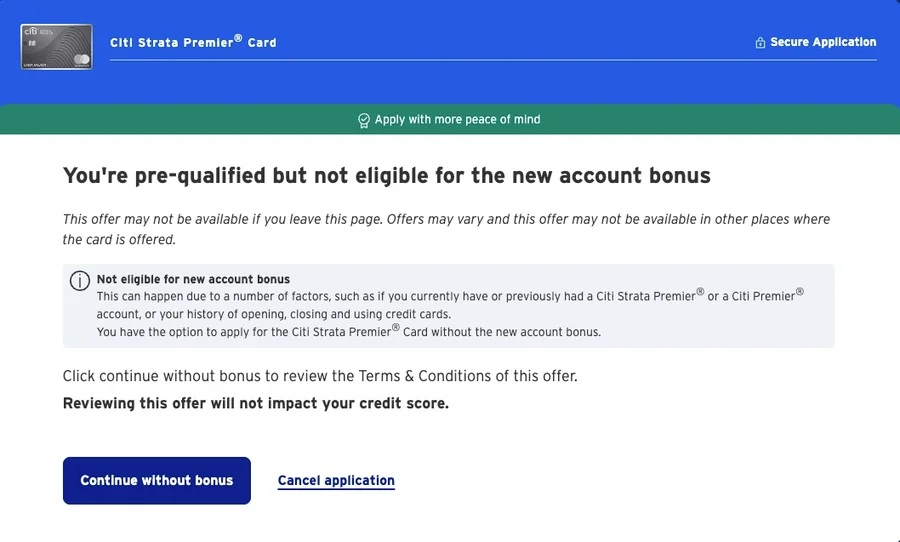

Citi introduced this rule in fall 2026, so we do not yet know how it will work in practice over the long term. Its wording is notably stronger than the language used by Amex and Chase: "New account bonus is not available to you if you currently have or previously had" the card. That could mean Citi intends this to be a true lifetime restriction, but there is not enough history yet to know whether exceptions or an unofficial expiration period will emerge. We will update this page as more data points become available.
Related Rules
How Does This Affect Your Credit Card Strategy?
The biggest strategic impact of any lifetime-style signup bonus restriction is deciding when to apply.
The no-annual-fee Citi Strata is not a card we generally recommend opening for its signup bonus. The offer is relatively small, and transfers to several partners come at reduced ratios compared with the Citi Strata Premier and Citi Strata Elite.
If you are considering the Premier or Elite, waiting for an elevated offer can make more sense because you may only have one opportunity to earn the signup bonus. That does not mean you should never apply when the offer is at its standard level, but it makes flexibility more important. A good strategy leaves room to act when a particularly strong offer appears rather than locking you into a rigid plan.
This rule also makes it even more difficult to build a large balance of transferable Citi ThankYou points through signup bonuses. The Citi Strata Premier and Citi Strata Elite are the only Citi cards that transfer to all ThankYou partners at the full ratios, and they are also Citi's primary cards with large transferable-points welcome offers. Citi does not currently offer a business card that earns transferable ThankYou points.
You can still earn additional ThankYou points with Citi cash back cards and combine those rewards with a Premier or Elite account, but that won't move the needle nearly as much as repeatedly earning large signup bonuses.
Co-branded cards
When Chase introduced similar restrictions that made it harder to repeatedly earn Ultimate Rewards signup bonuses, one strategy we suggested was supplementing those points with co-branded airline and hotel cards from the transfer partners you use most.
You can use the same approach with Citi ThankYou points, but there are fewer opportunities. Citi issues several American Airlines cards, which can help you build a separate balance of AAdvantage miles alongside your ThankYou points. Choice Privileges and Wyndham Rewards also offer several co-branded cards, but many other Citi transfer partners have only one or two U.S. credit cards available, if they have any at all.
Importance of this Rule
* * *
This is an important rule to know, but it should not be a major driver of your overall credit card strategy. Its biggest impact is on when you apply for the Citi Strata Premier or Citi Strata Elite. If you may only have one opportunity to earn the signup bonus on each card, waiting for an elevated offer can increase the value of that opportunity. Because elevated offers are unpredictable, your strategy should also leave enough flexibility to take advantage of a strong offer when it appears, even if that card was not originally next in your plan.
Cards Subject to This Rule
FAQs
Are there exceptions to this rule?
Citi's published terms do not list any exceptions for the three Strata cards. However, because this rule is new, we do not yet know whether Citi will enforce "lifetime" literally forever or whether an unofficial expiration period may emerge over time, as it has with American Express.
How do I check my status?
If you add all of your credit cards to Points Navigator, we track these eligibility rules for you and account for them when determining whether you are eligible for a signup bonus. That means you do not need to manually keep track of Citi's rule history or your previous cards. Citi also now checks your bonus eligibility during the application process. If you are not eligible for the new account bonus, a popup will let you know before you continue and give you the option to cancel the application or proceed without the bonus.
Do business cards count for this rule?
No. Citi does not currently offer any business cards that are subject to this lifetime-style restriction. Its American Airlines Business card and Costco Business card use different bonus eligibility rules.
Do product changes on existing cards count for this rule?
Based on Citi's current terms, yes. The language says the signup bonus is unavailable if you "currently have or previously had" the affected card, which suggests that receiving a Strata card through a product change would count even if you never earned a signup bonus on it. For example, if you product change a Citi Strata Elite into a Citi Strata Premier, Citi's terms suggest that you would no longer be eligible for the Premier signup bonus in the future. If earning that bonus matters to you, we would avoid product changing into one of these cards before earning its signup bonus.
About Approval Rules
Collecting credit card points is largely driven by understanding and abiding by bank rules regarding approval (or disapproval) of cards. So here's what you need to know:
- Approval rules are rarely fully publicized by the banks
- We use our own research and data points from other users in creating the rules listing
- Our goal in sharing/using the rule listings is to provide you guidance to avoid getting declined
- There can sometimes be exceptions to the rules, but we try to take a more cautious approach in advising you.